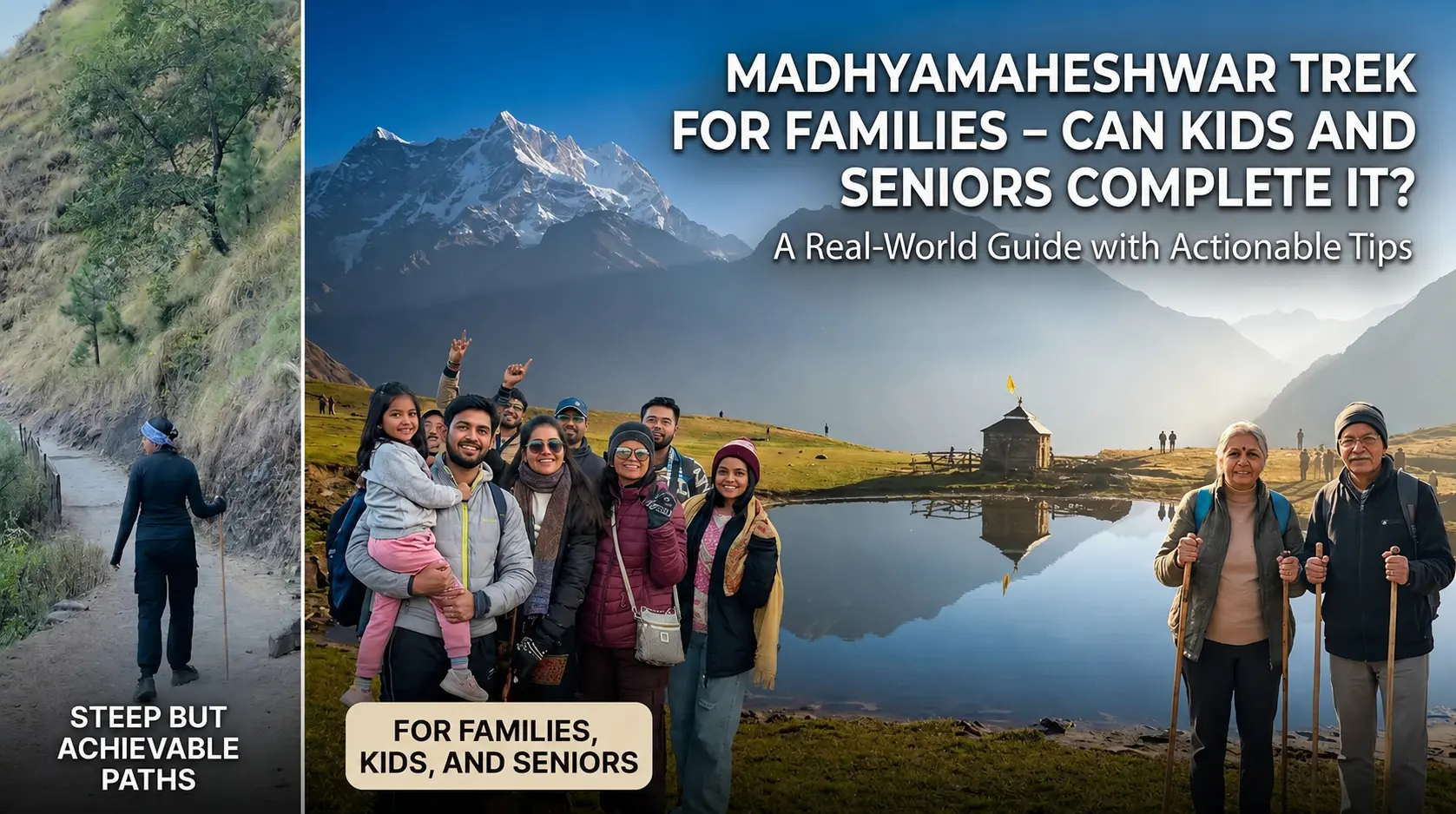
Planning the Madhyamaheshwar Trek with kids or senior citizens needs a different approach from planning it for a group of young trekkers. The main question is not simply whether children or older adults are “allowed” to do the trek. The real question is whether each person has the fitness, mobility, walking experience and health needed for several hours of mountain walking.
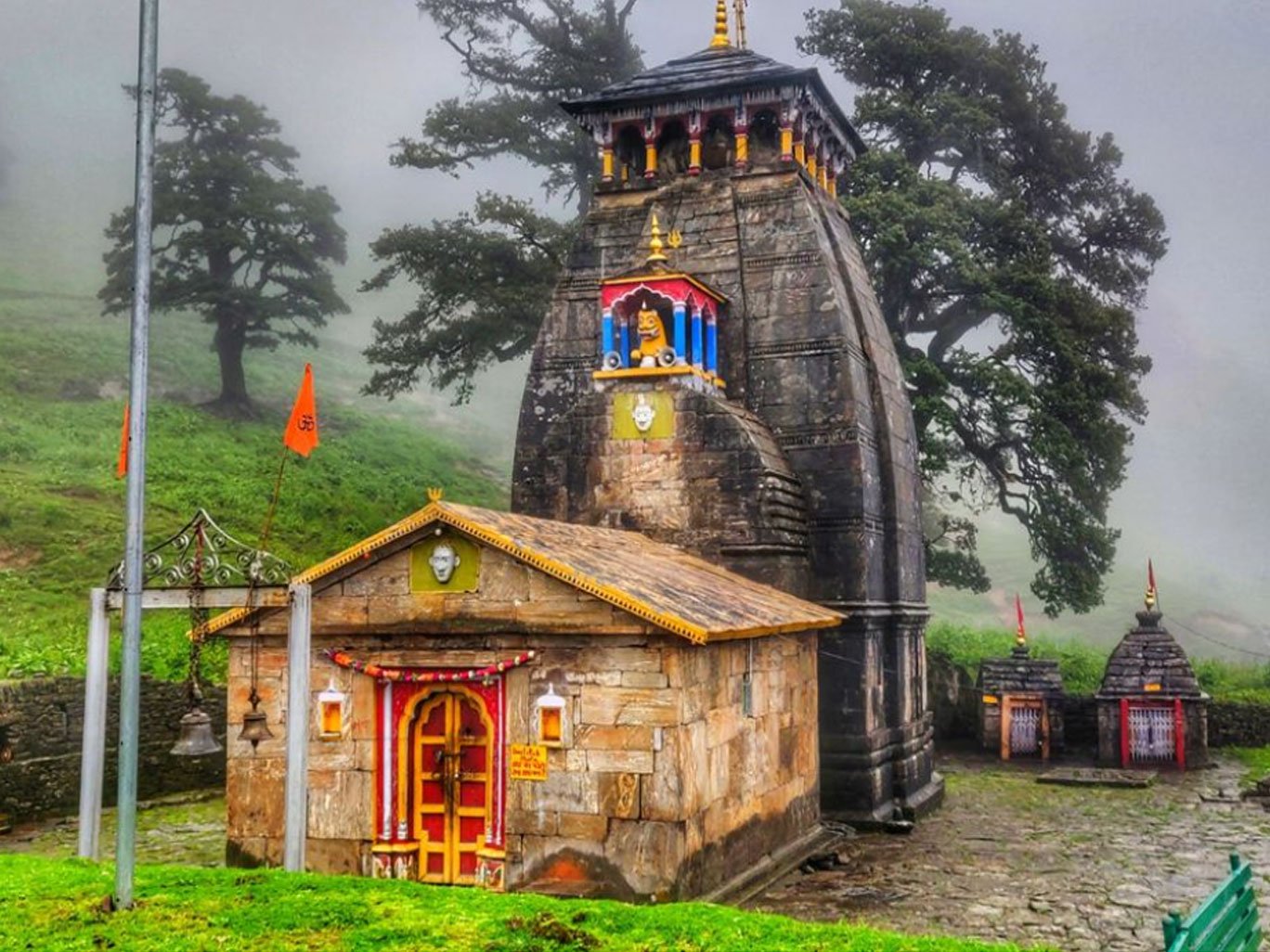
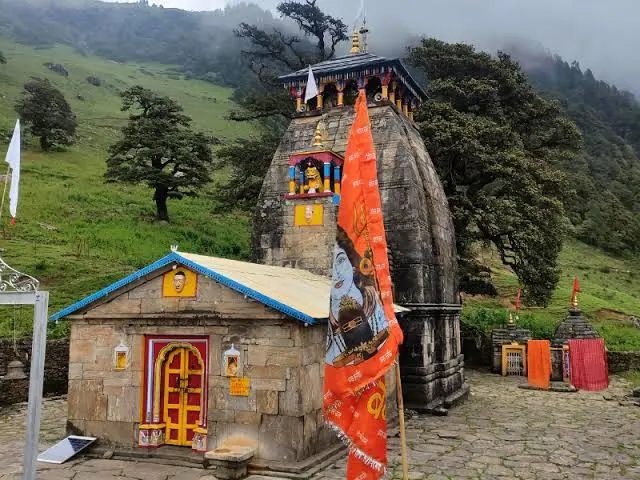
Madhyamaheshwar is one of Uttarakhand's Panch Kedar temples and lies in Rudraprayag district. Official Uttarakhand Tourism and Rudraprayag district sources identify it as an important Shiva pilgrimage destination in the Garhwal Himalayas.
For some active children and senior travellers, the journey can be manageable with preparation, slower pacing and adequate support. For others, sustained climbs, long descents and simple mountain facilities may make the route unsuitable.
This guide focuses specifically on family suitability, children, senior citizens and multi-generational trek planning. Detailed route, weather, packing and accommodation information is kept on their dedicated guides to avoid repeating the same content.
Madhyamaheshwar Family Trek: Quick Suitability Check
Traveller | Practical Suitability |
|---|---|
Active teenagers | Generally suitable with preparation |
Active older children | Possible depending on walking experience |
Very young children | Requires careful individual assessment |
Fit adults | Generally manageable with preparation |
Active seniors | Possible with health clearance and realistic pacing |
Seniors with knee problems | May find descent difficult |
Travellers with heart or respiratory conditions | Medical advice strongly recommended |
Multi-generation family | Best with a slower itinerary and luggage support |
There is no universal minimum or maximum age that can safely decide suitability. Fitness, health and previous walking experience matter more than the number written on a birth certificate.
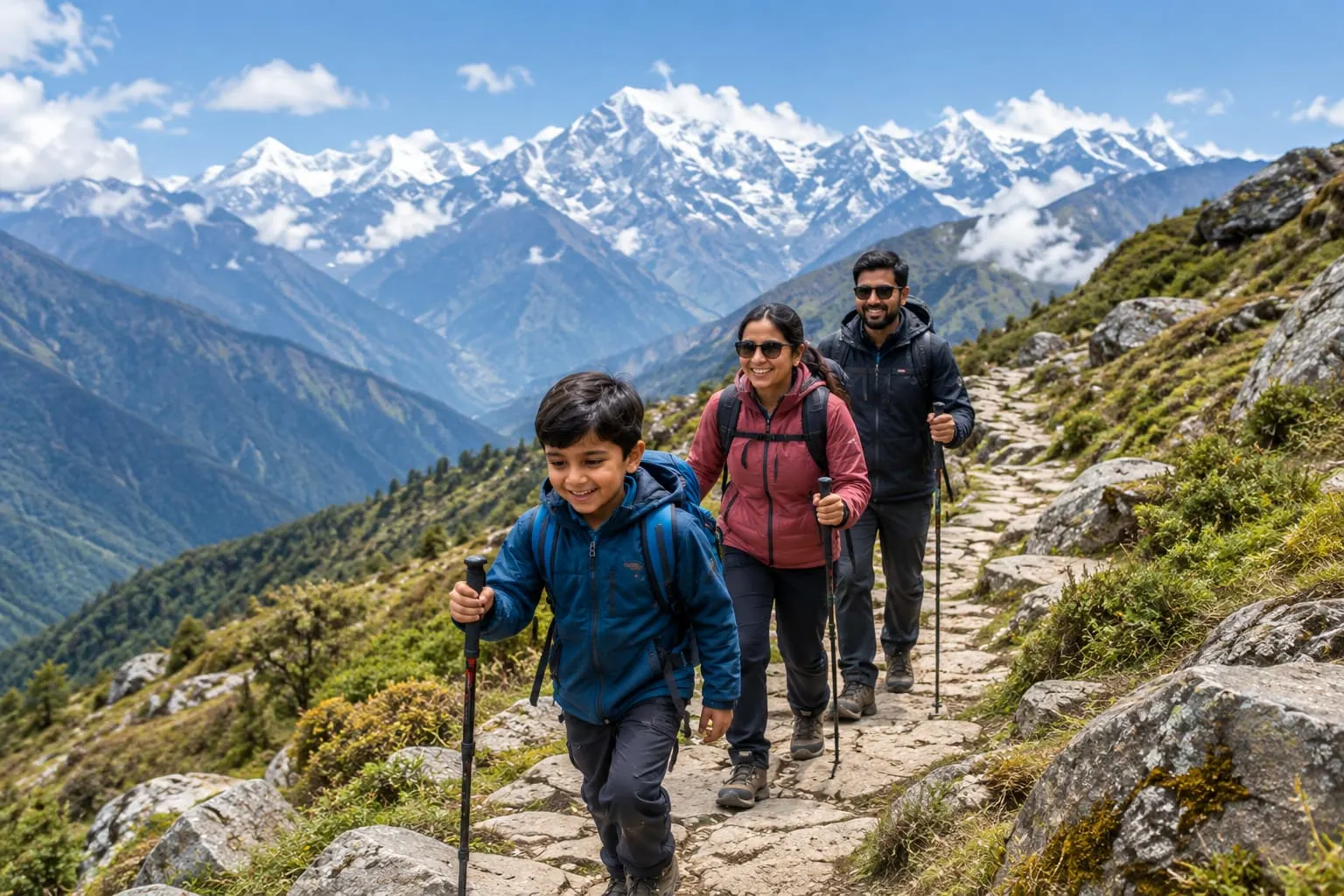
Can Children Complete the Madhyamaheshwar Trek?
Some children can, but age alone is a poor decision tool.
A child who regularly walks, plays outdoor sports and is comfortable spending several hours on their feet may handle mountain walking better than an older child who is mostly sedentary.
Before deciding, ask:
Can the child comfortably walk for several hours?
Have they walked on uneven trails before?
Can they follow instructions when tired?
Are they comfortable with basic accommodation?
Can they communicate clearly when something hurts?
Will they accept turning back if needed?
The last question is especially important.
A mountain trek should never become a competition where a child feels pressured to continue simply because adults want to reach the temple.
What Makes the Trek Harder for Children?
Children often have plenty of energy but may not manage it efficiently.
A common pattern is:
run ahead → stop → run again → become suddenly exhausted
On a long mountain route, this can make the later stages much harder.
Teach a Steady Pace
Encourage children to:
take short steps;
walk beside an adult;
avoid repeated sprinting;
take short scheduled breaks;
drink and eat regularly.
The goal is not to reach each stop quickly.
The goal is to still have enough energy for the final section and the return journey.
For the actual stage-by-stage trail, use the Madhyamaheshwar Trek Route Guide.
Should Families Choose the Trek Based on Age?
No.
A simple rule such as:
“Children above 10 can do it.”
or:
“Anyone below 65 can do it.”
is too simplistic.
Two people of the same age can have completely different physical capacities.
Better Criteria for Children
Look at:
regular activity level;
walking endurance;
coordination;
emotional maturity;
ability to communicate discomfort.
Better Criteria for Seniors
Look at:
cardiovascular fitness;
knee and hip mobility;
balance;
respiratory health;
existing medical conditions;
recent walking activity.
For a broader assessment of the physical demands, read the Madhyamaheshwar Trek Difficulty Guide.
Can Senior Citizens Do the Madhyamaheshwar Trek?
Some active seniors can consider the trek, but the decision should be individual rather than age-based.
A senior who walks regularly, climbs stairs comfortably and has no major limiting medical condition may be better prepared than a much younger sedentary traveller.
However, the Madhyamaheshwar route involves extended climbing and descending, so seniors should assess both cardiovascular endurance and joint health.
Medical Advice Matters
Senior travellers with known:
heart disease;
uncontrolled blood pressure;
serious respiratory conditions;
significant knee or hip problems;
balance problems;
recent surgery
should discuss the planned trek with their doctor before travelling.
This is particularly important because Madhyamaheshwar is a high Himalayan pilgrimage rather than a flat walking route. Official tourism sources place the destination within the remote Panch Kedar landscape of Garhwal.
Why the Descent Can Be Hard for Seniors
Families often focus only on whether an older traveller can climb uphill.
The return descent deserves equal attention.
Repeated downhill steps can place noticeable stress on:
knees;
ankles;
hips;
lower back.
A person may reach Madhyamaheshwar successfully and still find the descent uncomfortable.
Useful Strategies
use trekking poles;
take shorter steps;
avoid rushing downhill;
reduce backpack weight;
take regular short breaks;
use local support when required.
Do not save all the group's energy for reaching the temple.
You still need enough strength for the return.
A Slower Itinerary Is Usually Better for Families
One of the biggest mistakes families can make is copying the schedule of experienced young trekkers.
A multi-generation group should move according to the slowest comfortable member.
Breaking the journey into manageable stages can provide:
more recovery time;
less pressure;
better sleep;
greater flexibility;
lower risk of exhaustion.
The correct itinerary depends on the exact group, so avoid treating one fixed schedule as mandatory.
For a complete trip structure, use the Madhyamaheshwar Yatra Itinerary rather than duplicating the entire itinerary here.
Should Families Use Porters or Pony Support?
Using assistance is practical, not a sign of failure.
Families carrying luggage while also supervising children or supporting older relatives may become unnecessarily tired.
Local porter or animal support, where currently available and permitted, can reduce the load.
Consider support for:
main luggage;
senior travellers who may tire later;
children who cannot complete the full distance;
emergency fallback.
Availability and pricing can change, so confirm locally rather than relying on an old fixed rate.
If you are planning specifically around luggage or mobility assistance, use the dedicated porter and pony information on the site rather than making assumptions from previous-year reports.
How Much Luggage Should a Family Carry?
Less than you think.
The biggest family packing mistake is giving every person a large bag.
Keep:
essential medication;
water;
snacks;
rain protection;
one warm layer;
basic personal items
accessible.
Move non-essential luggage through a porter or leave it at the appropriate stay point where practical.
The Madhyamaheshwar Trek Packing List provides the complete packing breakdown.
Food and Hydration for Children and Seniors
Families should keep meals simple and regular.
Children and older adults may lose energy quickly if they go several hours without eating.
Carry small, familiar snacks such as:
dry fruits;
nuts;
biscuits;
simple energy snacks.
Do not experiment with unusual food during the trek.
Hydration should also be regular rather than forced. Encourage everyone to drink periodically, especially when they are walking steadily and may not notice thirst.
Accommodation Expectations for Families
Stay facilities along a mountain pilgrimage route are generally simpler than urban hotels.
Families should choose accommodation based on practical requirements:
clean sleeping space;
accessible washroom;
food availability;
proximity to the next day's route;
adequate bedding.
Do not select a stay only because its photos look attractive.
For route-specific options, use the Madhyamaheshwar Accommodation Guide.
Mobile Network Matters More for Families
When travelling with children or seniors, communication planning becomes more important.
Do not assume mobile signal or UPI will work continuously on the trekking route.
Before leaving better-connected areas:
inform family members of the itinerary;
save important numbers offline;
carry some cash;
download booking details;
keep identification accessible.
For stage-by-stage connectivity, see the Madhyamaheshwar Mobile Network Guide.
Who Should Consider the Trek as a Family?
The trip is more suitable for families where:
members are reasonably active;
children can follow instructions;
seniors walk regularly;
the group accepts basic accommodation;
the itinerary can remain flexible;
luggage can be reduced;
nobody is being pressured to continue.
Who Should Reconsider?
A family should think carefully if:
a traveller has serious mobility limitations;
a child strongly dislikes prolonged walking;
a senior has uncontrolled medical conditions;
the group has no buffer time;
luxury accommodation is essential;
everyone expects to walk at the same speed.
Reconsidering the plan is not the same as abandoning Madhyamaheshwar entirely.
A different itinerary or support arrangement may make the journey more suitable.
Should Children or Seniors Visit Budha Madhyamaheshwar?
Budha Madhyamaheshwar should be treated as optional for family groups.
Do not assume everyone who reaches the main temple should automatically continue higher.
The decision should depend on:
remaining energy;
weather;
daylight;
trail condition;
individual mobility.
For families, reaching the main temple can already be a complete and meaningful pilgrimage.
Detailed information about the extension is available in the Budha Madhyamaheshwar Guide.
Family Trek Decision Table
Situation | Recommendation |
|---|---|
Active child + trekking experience | Good candidate |
Active teenager | Generally suitable |
Child with no long-walk experience | Test with shorter hikes first |
Fit senior who walks regularly | Possible with proper planning |
Senior with knee discomfort | Consider support and medical advice |
Family carrying heavy bags | Use porter support |
Very tight itinerary | Avoid |
Poor weather forecast | Reassess before starting |
Mixed fitness group | Plan around the slowest member |
Final Verdict: Is Madhyamaheshwar Suitable for Families?
Yes, Madhyamaheshwar can be suitable for families with children and senior citizens, but suitability should be decided by fitness, health and walking ability—not age alone.
Active children can often manage mountain walking well when they are taught to pace themselves. Fit older travellers may also complete the journey successfully when they prepare properly and avoid unnecessary luggage.
The safest family strategy is simple:
walk slowly, reduce luggage, keep the itinerary flexible and never make reaching the temple more important than the condition of the people travelling with you.
Families who prefer organised transport, accommodation and local coordination can also compare the Madhyamaheshwar Trek Package.
For official destination and pilgrimage context, refer to Uttarakhand Tourism's Madhyamaheshwar information. Madhyamaheshwar is officially recognised as one of the Panch Kedar destinations in Rudraprayag district.
Frequently Asked Questions
Can children do the Madhyamaheshwar Trek?
Some active children can complete it with proper pacing and preparation. Suitability should depend on walking endurance and maturity rather than a fixed age.
Can senior citizens visit Madhyamaheshwar?
Fit senior travellers may be able to complete the trek, but anyone with significant cardiovascular, respiratory or mobility issues should obtain individual medical advice before travelling.
Is Madhyamaheshwar suitable for a family trip?
Yes, particularly for active families comfortable with mountain walking, basic stays and a slower itinerary.
Should families complete the trek in one day?
Not necessarily. A slower plan can reduce fatigue and works better for mixed-age groups.
Are porters useful for families?
Yes. Reducing luggage weight can make the trek considerably easier when travelling with children or older relatives.
Is Budha Madhyamaheshwar compulsory for families?
No. It is an optional extension. Families should attempt it only when fitness, weather and available daylight are favourable.