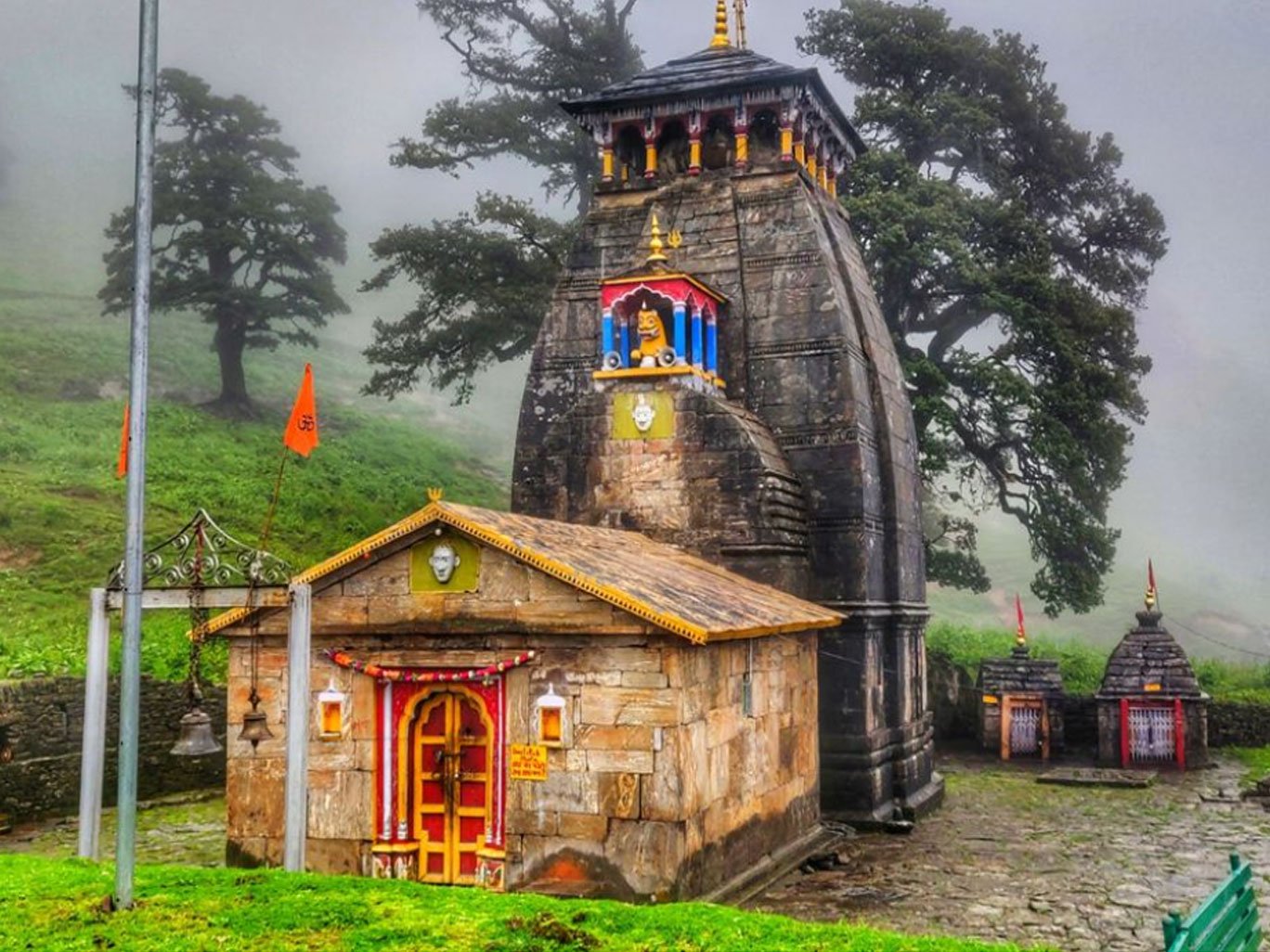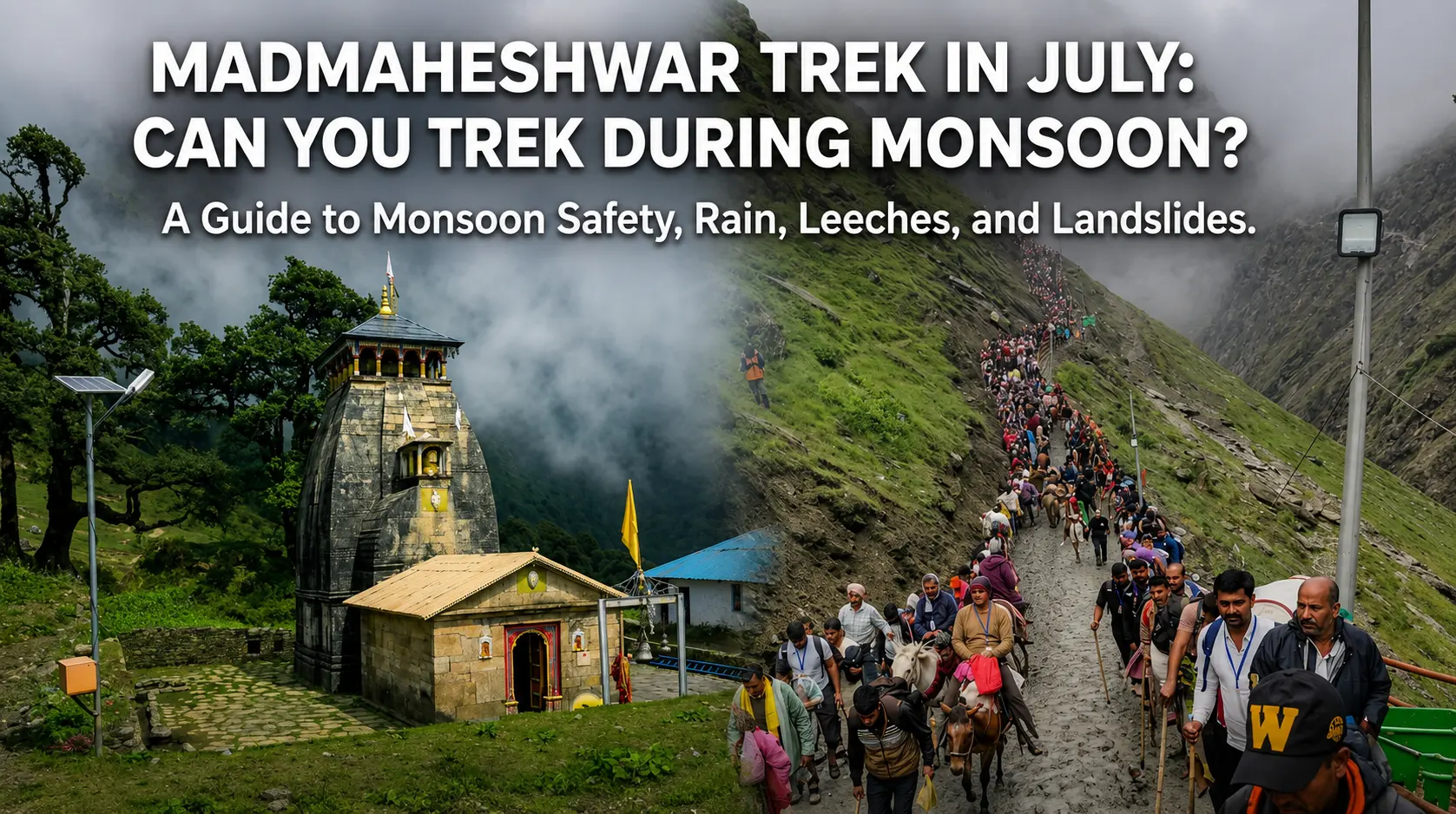
When the monsoon clouds roll across the Garhwal Himalayas, the mountain landscapes of Uttarakhand undergo a spectacular transformation. Dusty valleys transform into vibrant, emerald-green sanctuaries, waterfalls multiply across sheer rock faces, and the alpine meadows (bugyals) bloom with absolute wild abandon.
For spiritual seekers and adventure enthusiasts, the idea of visiting the sacred Seconf Kedar during this quiet phase sounds like an unforgettable, crowd-free dream.
Naturally, the question arises: Can you do the Madmaheshwar Trek in July during the peak monsoon season?
The direct answer is: Yes, technically you can, because the temple doors remain wide open and the trail exists—but it comes with significant, non-negotiable risks.
Unlike trekking in the stable windows of spring or autumn, entering the raw Himalayan backcountry in July requires a deep respect for unpredictable weather, extensive logistics, and a clear understanding of the terrain.
This comprehensive guide delivers a realistic look at what the Madmaheshwar Trek in Monsoon actually entails, highlighting the structural dangers you must navigate and how to plan safely if you choose to go.
1. Madhyamaheshwar Weather in July: The Microclimate Breakdown
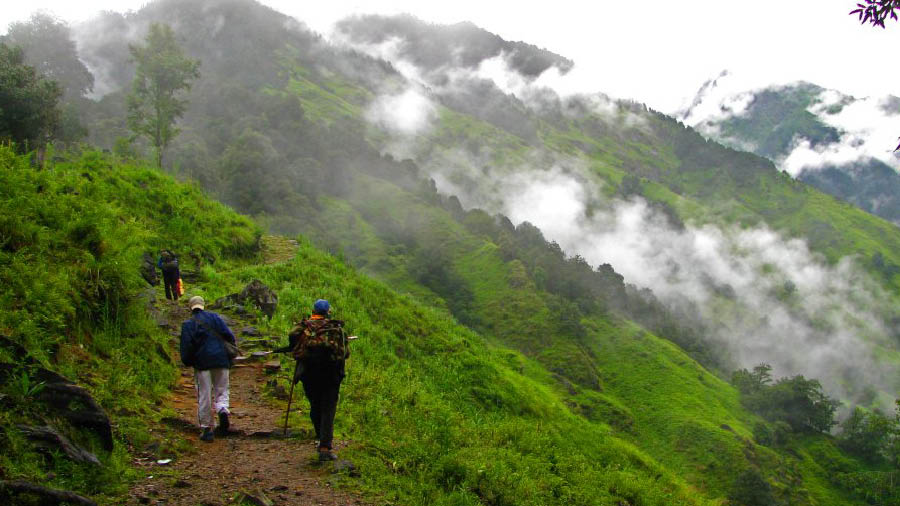
Sitting at a formidable altitude of 3,497 meters (11,473 feet) within the protected borders of the Kedarnath Wildlife Sanctuary, the local environment generates its own unpredictable microclimate.
Temperature Profiles
During July, daytime temperatures along the trail hover comfortably between 10°C and 18°C, which makes for highly pleasant walking weather without the threat of heat exhaustion. At night, however, as you climb closer to the shrine, temperatures regularly plunge toward 5°C, requiring high-quality insulating layers.
The Moisture Reality
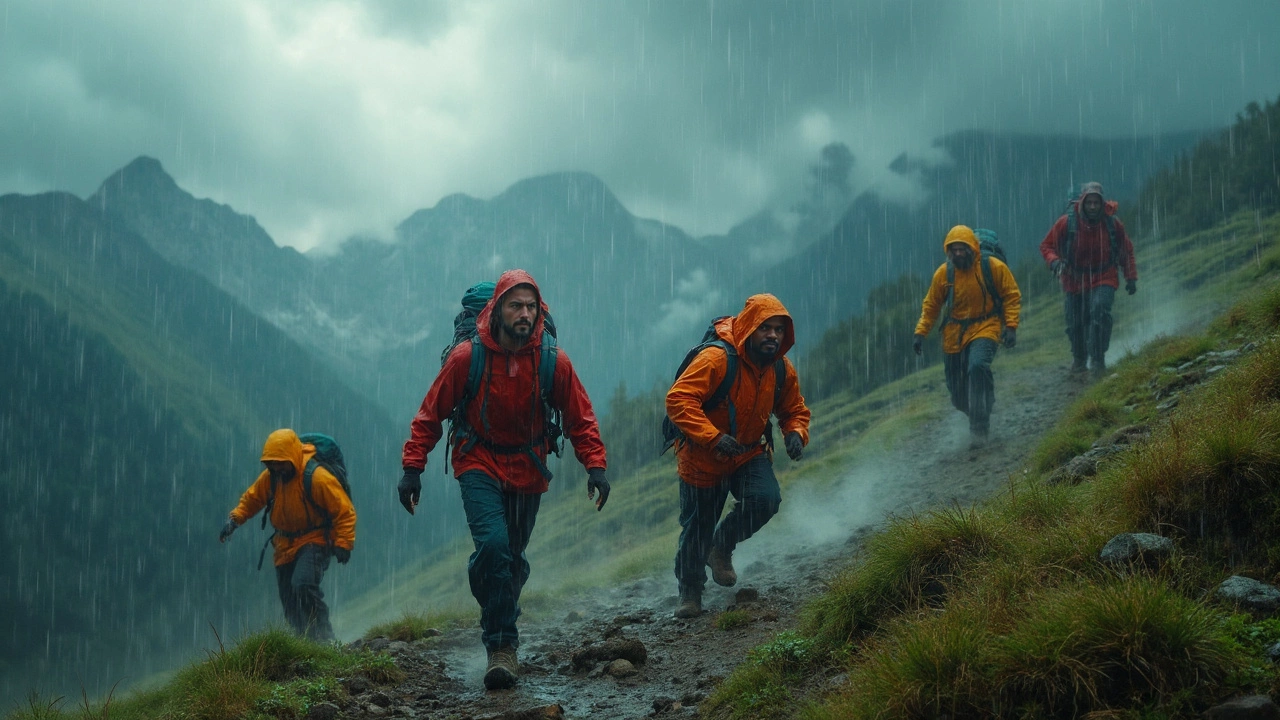
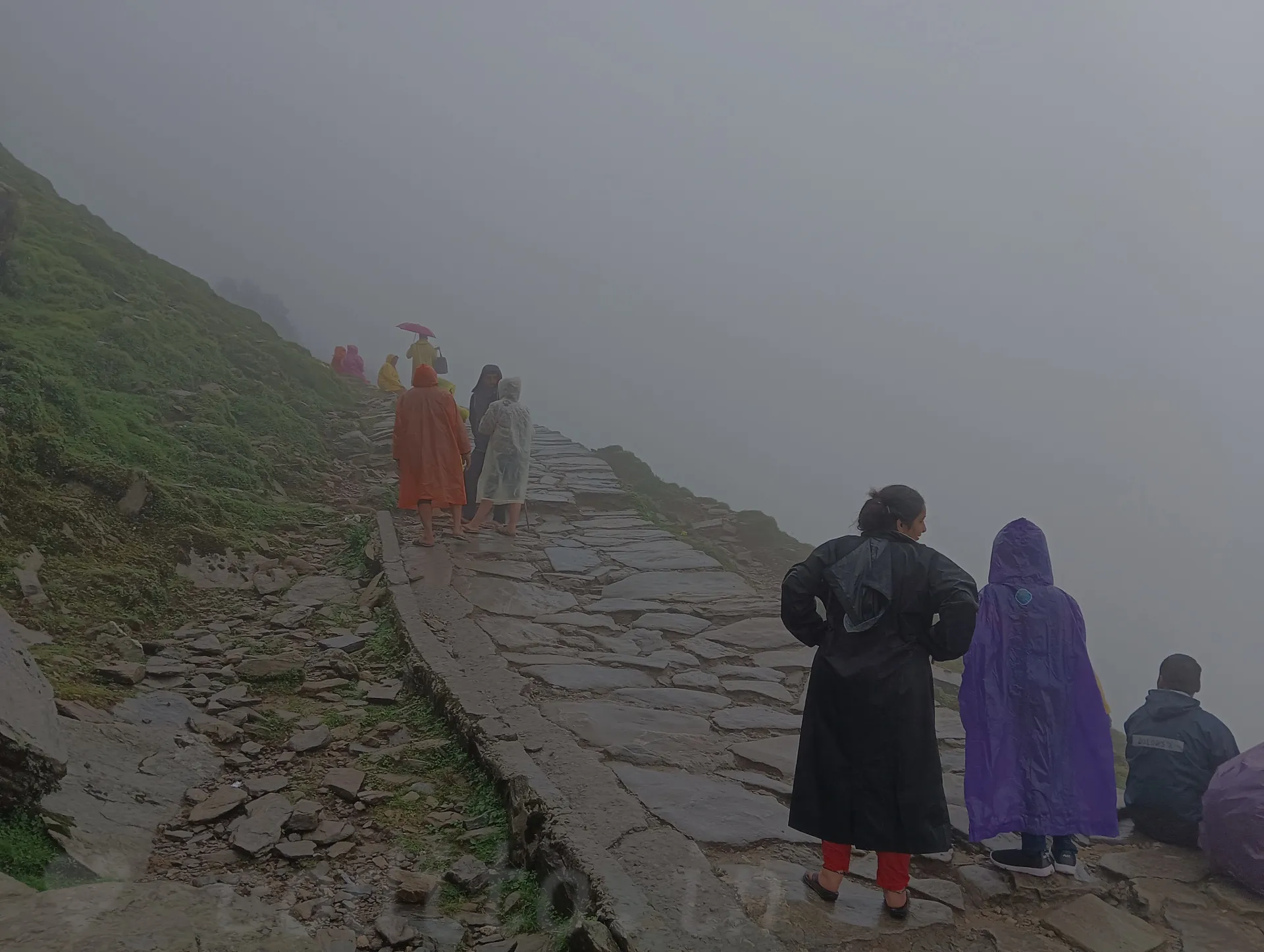
The core challenge isn't cold temperatures; it is the sheer volume of continuous, unrelenting precipitation. July marks the peak arrival of the South Asian monsoon across Uttarakhand. Rain showers rarely announce themselves; instead, heavy downpours can materialize in minutes, trapping trekkers on exposed ridges or deeply forested valleys. Thick blankets of monsoon fog are also incredibly common, reducing trail visibility to just a few meters and turning navigation into a game of absolute focus.
2. Deconstructing the Real Risks of Monsoon Trekking
Many travelers mistakenly believe that surviving a rainy day on the mountain simply requires packed rain gear. On a remote high-altitude trail like the Madhyamaheshwar Trek, monsoon hazards are structural and can fundamentally alter your itinerary without warning.
A. The Hidden Danger: The Ukhimath to Ransi Road
Surprisingly, the most volatile hazard of the entire journey doesn't exist on the walking path itself. It sits on the 25 km mountain driving artery connecting Ukhimath to the Ransi Village.
This narrow mountain road cuts straight through highly unstable fractured shale and clay slopes. Heavy rainfall triggers frequent rockfalls and landslides, which can block vehicle access completely for days. If you are working with tight travel dates, a single major landslide along this sector can cause you to miss flights or train connections.
B. The Hardest Section: Bantoli to Madhyamaheshwar
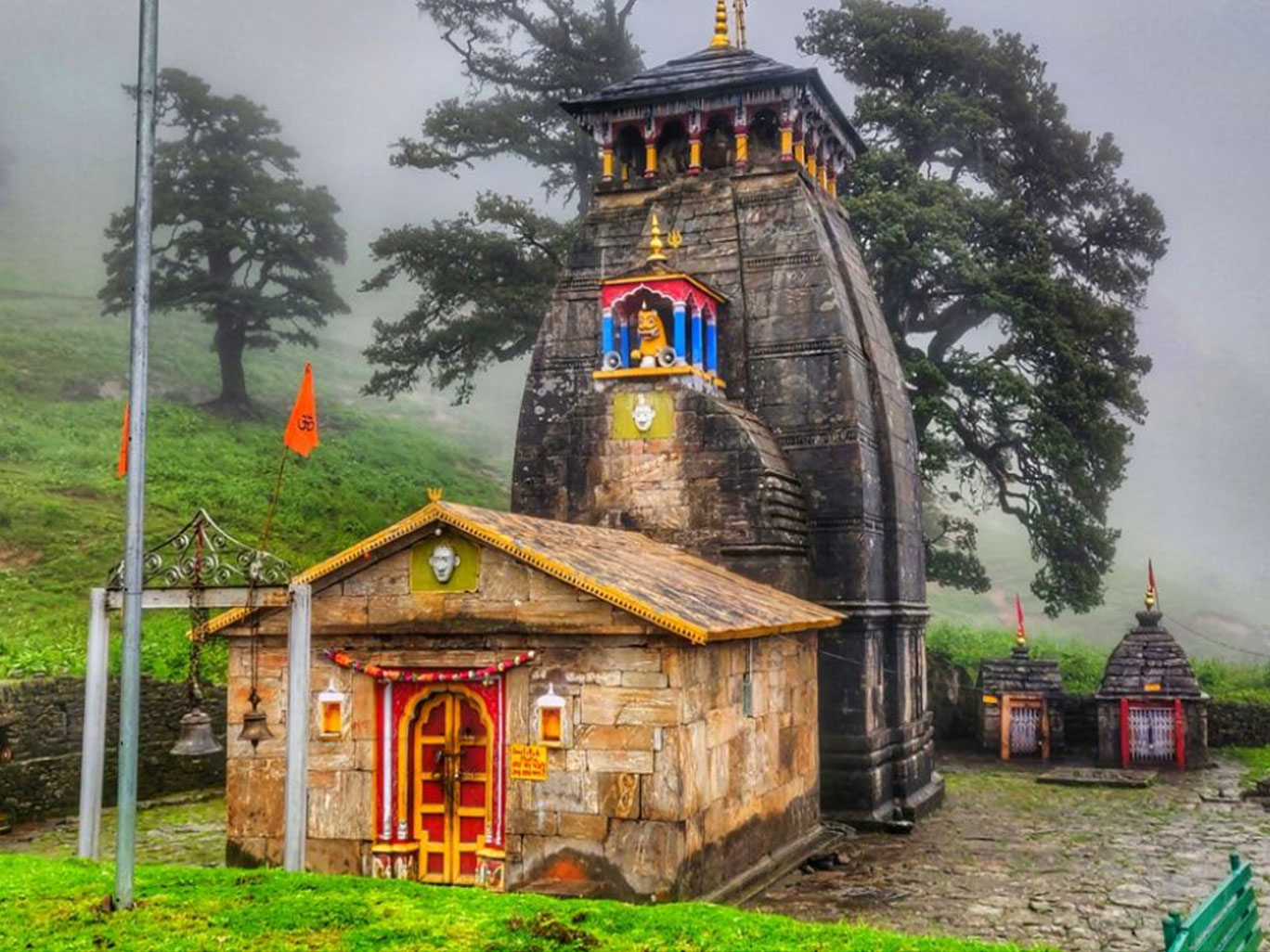
The trek covers roughly 16 km from Ransi to the temple. While the first half via Gaundar and Bantoli remains relatively manageable, crossing the river confluence at Bantoli completely shifts the safety dynamics.
From this point forward, the trail demands a massive 5,000-foot vertical ascent spread across a steep, relentless staircase of stone slabs. If you check the data regarding How Difficult Is the Madmaheshwar Trek, you will see this section is rated as highly demanding even in dry weather.
In July, these ancient stone steps become coated in a slick sheen of moss and wet mountain clay. Every single rock becomes a potential slip hazard, placing extreme pressure on your knees, ankles, and stabiliser muscles during both the climb and the steep descent.
C. Swelling Streams and Flash Floods
The trail crosses several seasonal streams and river tributaries feeding into the Madhyamaheshwar Ganga. While these water crossings are mere trickles in May, heavy July cloudbursts can turn them into roaring torrents of mud and debris within an hour. Historically, temporary trail bridges have been washed away by flash floods during intense monsoon surges, leaving pilgrims stranded on the opposite bank until emergency rescue operations can be organised.
D. The Forest Leeches (Jalau)
Because the lower half of the Madmaheshwar Trek Route cuts through the dense, humid canopy of the Kedarnath Wildlife Sanctuary, the monsoon season sparks an explosion of local leeches. They sit silently on wet leaves and damp soil, hitching a ride onto passing socks and boots. While they do not carry dangerous diseases, their bites bleed freely due to anticoagulants and can easily become infected in wet, humid trail conditions if handled incorrectly.
3. Who Should Absolutely Avoid This Trek in July?
Honesty regarding your physical capabilities is essential when evaluating a monsoon expedition. You should bypass a July trip if you fall into any of these categories:
Absolute Beginners: If you have never undertaken a multi-day Himalayan trek before, the combination of high altitude, steep climbs, and slick mud will quickly overwhelm you.
Families with Young Kids or Older Adults: The structural unpredictability, sudden rainstorms, and intense physical strain make the monsoon season completely unsuitable for children or seniors.
Trekkers on Inflexible Schedules: If your return itinerary is tightly locked, the mountain's frequent road-blocking landslides will create dangerous psychological pressure to press forward through unsafe trail conditions.
Read: common monsoon trekking mistakes
4. Crucial Rules for Safe July Trekking
If you are an experienced outdoor enthusiast who understands the challenges of Trekking in Uttarakhand and you still choose to head out in July, you must follow these non-negotiable safety rules:
1. Secure a Certified Local Guide from Ransi
Attempting to navigate this trail solo during the monsoon is an unacceptable safety risk. Thick cloud cover can obscure trail junctions, and a simple twisted ankle in an isolated forest section during a downpour can turn into an emergency. A registered local guide from Ransi understands the unique geological warning signs of the valley, knows which sections are prone to rockfalls, and has direct communication lines with local homestays.
2. Implement the Strict 6:00 AM Departure Rule
Himalayan monsoon patterns usually follow a predictable daily rhythm: relatively clear or misty mornings followed by a rapid buildup of convective clouds and heavy downpours by mid-afternoon. You must be out of your camp by 6:00 AM every single day. The goal is to clear the steep, slick ascents and reach the safety of your next solid shelter long before afternoon storms reduce visibility.
3. Ditch the Repellent—Carry Raw Salt
Standard chemical insect repellents wash off your skin within twenty minutes of heavy sweating or rain. To handle leeches effectively, carry a small pouch of raw table salt or tobacco powder in an easily accessible pocket. A quick pinch of salt directly on a latching leech causes it to drop off instantly without tearing your skin.
4. Pack Quick-Dry Synthetics Only
Completely banish cotton t-shirts, jeans, and thick canvas materials from your backpack. In the high humidity of a July monsoon, wet cotton will never dry, significantly increasing your risk of developing hypothermia when evening temperatures drop. Pack lightweight polyester or nylon trekking garments along with a high-quality silicone poncho that can comfortably shield both you and your entire backpack.
5. The Logistics of a Monsoon Pilgrimage
Because tourist numbers dry up during the rains, the local operational landscape changes considerably:
Accommodation Availability
Accommodation on the Trek is available through permanent concrete and stone homestays in Ransi, Gaundar, and near the main Madmaheshwar Temple, providing basic and comfortable shelter for trekkers and pilgrims. These local stays are a practical option along the trekking route, especially during the monsoon season.
However, pitching canvas tents on the high alpine meadows is highly discouraged in July due to saturated ground conditions, heavy winds, and lightning risks. Trekkers should therefore rely on established homestays and designated accommodation facilities rather than camping in exposed high-altitude areas.
Why You Should Book a Managed Itinerary
Trying to coordinate porters, monitor road statuses, and secure safe homestay bookings on your own during a volatile monsoon month can be an exhausting challenge, especially for families travelling with children or older members. Choosing a comprehensive Madmaheshwar Trek Package 2026 helps resolve these major hurdles while offering better family trek suitability through organised logistics and local support.
Experienced mountain operators provide continuous real-time weather monitoring, manage local porter adjustments, ensure backup days are built into your schedule, and coordinate safe, solid, and dry accommodation options throughout the route. This makes the journey more manageable and comfortable for families looking to experience the Madmaheshwar Trek with proper planning and support.
The Ultimate Decision: Is the Reward Worth It?
If you choose to navigate the challenges, a July trek serves up a side of the Garhwal Himalayas very few people ever get to see. The vast meadows surrounding the ancient stone temple turn an unbelievably brilliant shade of green, wrapped in shifting layers of dramatic mountain mist.
However, safety must remain your highest priority. Keep your travel schedule highly flexible, monitor the Indian Meteorological Department (IMD) updates daily, and immediately turn back if the region is placed under a heavy rainfall alert. The mountains will always be there; respect their power, prepare meticulously, and let safety guide your journey into the wild.
Monsoon Trekking FAQs
1. Can I hike up to Budha Madmaheshwar in July?
It is strongly recommended to skip the additional 2 km climb to Budha Madmaheshwar during heavy rain. The trail from the main temple complex consists of a narrow, exposed grass ridge that becomes incredibly slippery and slick when wet. Thick monsoon fog can also completely obscure the drop-offs, making navigation hazardous.
2. Will I get clear views of the Chaukhamba peaks in July?
Clear, unobstructed views of the massive Chaukhamba and Kedarnath peaks are rare in July due to heavy, persistent cloud cover. However, the dramatic sight of these massive peaks breaking through swirling monsoon clouds during temporary weather clearances is uniquely beautiful.
3. Do mobile networks work on the trail during rainy weather?
Mobile connectivity is incredibly poor and unreliable throughout the trail, especially past Bantoli. Heavy monsoon rains and thunderstorms can cause local network towers in the valley to lose power for days at a time. Do not rely on mobile data or networks for navigation or emergency contact.